
Why Mum And Dad Should Plant Vegetables In Their Backyard
There are several advantages of home gardening with regard to health and money that comes from consuming home-grown vegetables. First of all, it provides an opportunity to eat fresh food recipes prepared with vegetables containing no pesticides and other chemicals that are used in organizing supermarkets. It means that if you grow your own garden, then you are sure you are consuming healthy foods and of better taste. Moreover, gardening makes you have a feeling of achievement since you watch plants you have probably cultivated grow.
Home gardening also have an advantage of being friendly to the environment in terms of use of fertilizers and methods of pest control. This way you minimize on your carbon footprint because you are not traveling to store to buy vegetables and you do not need packaging. It is important to know that home grown food is advantageous to ecosystem since it boosts the biological divergence and secure healthy soil which is charge for sustainable agriculture. The other benefit to be gains from taking up gardening is economical. Seeds and seedlings are cheap, and if properly taken care of your plants can produce fruits and vegetables throughout the growing season hence reducing your bills on shopping for the produce.
Top Vegetables for Beginners: Easy-to-Grow Options
If you are a beginner in gardening then it would be better to go for some of the easiest growing vegetables. Tomatoes, lettuce, radishes, spinach are a few of the recommended easy to grow vegetables for a beginning gardener. This vegetables are easy to cultivate and do well in most growing conditions The above vegetables have proved easy to cultivate, and are subject to a plethora of climate and weather conditions.
Tomatoes are one of the plants that are easy to grow and can be planted in a garden bed, as well as in containers. They require good sunshine exposure to grow and light colored soils to grow in but they can yield rich harvest once they have taken root. The same can be said for lettuce, which is a very easy crop for a novice gardener to try because this plant germinates very fast and does not require much attention. Seeds may be broadcast and directly placed on the ground or; seeds may be planted in pots for enhanced germination.
The top five vegetables to grow in small gardens and urban gardens.
Not every person has to have a huge yard or live close to a large garden, but that does not mean any person cannot try their hand at growing vegetables. Most vegetables can be grown in small areas, and therefore are suitable for garden area or compact backyard. The options for small gardens include but not limited to a list of small herbs such as basil, parsley, cilantro among others; and small vegetables such as cherry tomatoes, peppers and bush beans.
If you want to take maximal utilization to a larger extent, you can opt for vertical gardening or growing plants in pots. Some of the vegetables such as peas, beans and cucumbers may be grown along the walls or fences which are important structures whose space can be very useful for other crops. Organic voices of containers are successful in kale, lettuce, and arugula and can be grown in containers, hanging baskets, or windows boxes. Such gardening solutions as described above lets you achieve full potential of rather confined spaces, while still being able to cultivate some vegetables.
Seasonal Vegetables: What to Grow in Each Season
It would be important for you to understand the needs of vegetables during different season by which can enhance the harvest. It means that types of vegetables that you have to grow will depend on the season it is. During spring season, such crops as peas, lettuce, spinach, and radishes can be grown since they do not require warm temperatures to grow. These crops can be under- grown as soon as the field is available in early spring and the harvest can be achieved in few weeks.
Tomatoes, peppers, zucchini, beans and many other warm season crops may be planted during the summer season. These vegetables need high heat to grow and need more sunlight, and this is why make good crops to practice during summer. What you should know is that these crops will require water from time to time because they wither in the sun rather quickly.
Healthy veggies to consider growing in your garden at home
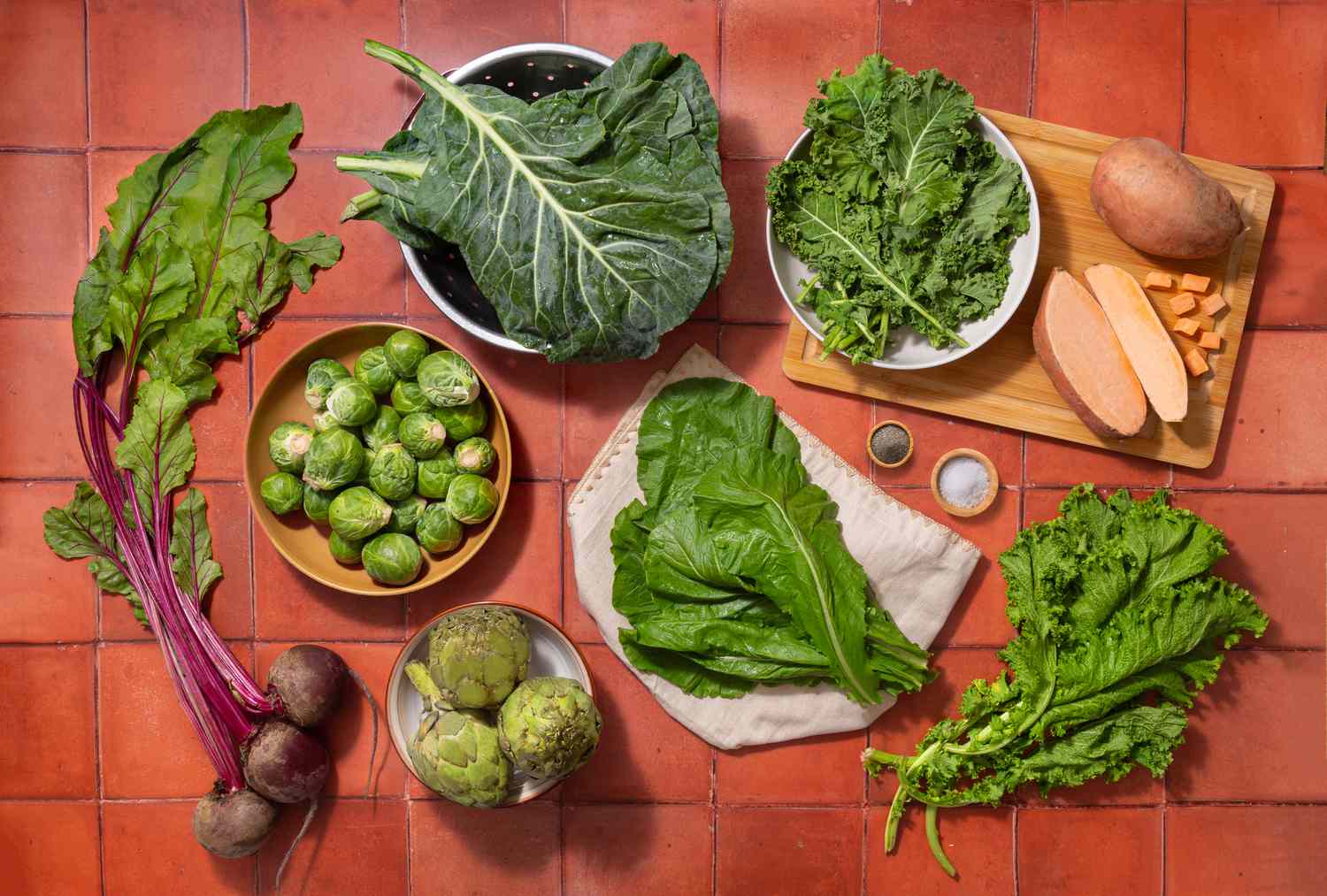
If you are trying to focus on increasing the amount of nutrition in the foods, it’s great if you can grow vegetables that are high in nutrients. Kale, spinach, Swiss chard, broccoli, and other vegetables have a high dosage of vitamins, minerals, and anti oxidants that are useful in enhancing good health. These dark leafy greens are packed full of fiber and represent one of the best sources of Vitamin C, Iron, Calcium.
For another source of nutrients growers can consider carrots, sweet potatoes and beets in their garden. The staple root crops are bets and carats which contain essential nutrients such as vitamins A and C that boosts the bodies immune system and skin. Furthermore, direct production of vegetables results to the determination of their methods of production, hence providing natural foods without any chemicals. Selecting to produce these rich vegetables is a step toward a better, and possibly more sound life style.
How to Grow Vegetables in Containers: Tips and Tricks
Growing plants in a container is a great solution for people who have small yard with poor ground or no ground at all. Asiatic and western progressive agronomics have sufficiently explained how and what type of vegetables can be grown within the premises of an apartment or a city house with the right containers and care. When selecting containers, you should ensure that bottom of the containers have appropriate drainage holes to allow free drainage to avoid water build up that causes root rot. Larger packs are preferable owing to the possibility of adequate root expansion and healthy plant growth.
It’s good to grow vegetables such as tomatoes, peppers, and lettuce in containers. Produce a special potting mix for vegetables, and pay attention to your vegetation’s water demands. Plants growing in containers require more frequent watering because the soil in the pots dries out much earlier than soil surrounding plants. Besides, it is necessary to feed container plants more often with fertilizer, as the ground dries rapidly and exhausts nutrients. With those tips in mind, you can grow healthy and yummy home vegetables in your container garden.
Seven vegetables to grow for those who do not have time for gardening.
Any person who leads a rather active life and cannot spend hours taking care of their garden every day, still has the option of planting low maintenance vegetables. Beans, zucchinis, squashes and other vegetables are good crops for growers with little time for maintenance. After the establishment of these plants, few management activities are needed, and the plants are not very susceptible to insect and disease problems.
Other herbs such as rosemarry, thyme, and mint also require a simple maintenance and can be started both in pots or small gardens. Although these are perennials, they do not need frequent watering, and the manner in which they are fertilized is flexible thus can be incorporated into the garden for flavor and fragrance. These are some of the vegetables that you need to grow because they do not need a lot of attention from an individual.
Small Fruitive Vegetables for Raised Bed Gardening and Trellis Cultivation
If you desire to get the maximum utilization of the garden, there can be nothing better than raised gardens and garden on walls. Vegetable gardening: Raised beds are easier to work on, have better drainage and result in a yield of more vegetables on the same land. Tomatoes, carrots and lettuce are few crops that grow well on raised beds since they have ample space to run their root systems in the soil.
We also have the vertical version of the gardening to bring into our practices as methods of saving space. Some of the climbing plants that may be grown on these structures include peas, beans and cucumbers, and such plants occupy less ground space. Hanging baskets and wall mounted planters are also perfect for house plants and localized production of greens and small vegetables. By applying all these, it is possible to have a productive soil usage of the garden without consuming so much space.
Why You Should Consider Planting Heirloom Vegetables in Your Yard
Heirloom vegetables are open pollinated, traditional varieties that have been the subject of maintenance for several generations. First of all, the cultivation of heirloom vegetables in your garden possesses several advantages. These varieties are usually much tastier and convey a number of qualities you will not come across when you purchase your vegetables at a supermarket. Also heirlooms are generally less susceptible to pests and diseases hence can be grown rather easily at home gardens.
It’s also significant to learn that heirloom vegetables are also used when it comes to revitalizing biodiversity. Sprouting these particular types of plants helps to avoid the genetic degradation of all plants and thus supports food production. Moreover, heirlooms tend to grow nutritionally superior to many of the hybrid types, which ultimately will be good for, and tasty in, the garden.
How to Maximize Your Harvest: Achieving this involves companion planting for vegetables.
Inter cropping is a cultural practice whereby some crops are planted together for companionship to benefit the growth of the crops and possibly to improve the control of pests and diseases . For instance, it can be advantageous to plant basil by the side of tomatoes to ward off pest such as aphids while improving the taste of the tomatoes. Likewise, if you plant marigolds around your vegetable garden, these plants can draw in beneficial insects that eliminate the unfavorable pests a round.
On this note, the next good companion planting techniques include growing carrots alongside onions. Onions are used to repel carrot fly while carrot plant offers a good cover to onions as they grow at the same time. Plants that grow well together in the garden, which will improve productivity and the quality of your vegetables will be ready for consumption. Most gardeners prefer companion planting as it is an easy technique of boosting your yields and cutting the use of chemicals.
Conclusion
Home gardening is therefore very lively, helpful and economic if you want to get healthier produce with minimal effects on the environment. Doing your own gardening might just be a hobby or you want to grow plants on your balcony or backyard, there are great ways to do it. From container gardening to companion planting these tips will assist you to grow organic food at home regardless of the state of the soil. Below are some tips on the selection of vegetables and primary guidelines for caring for them to get a good crop that will be good for both your health and the Earth.
